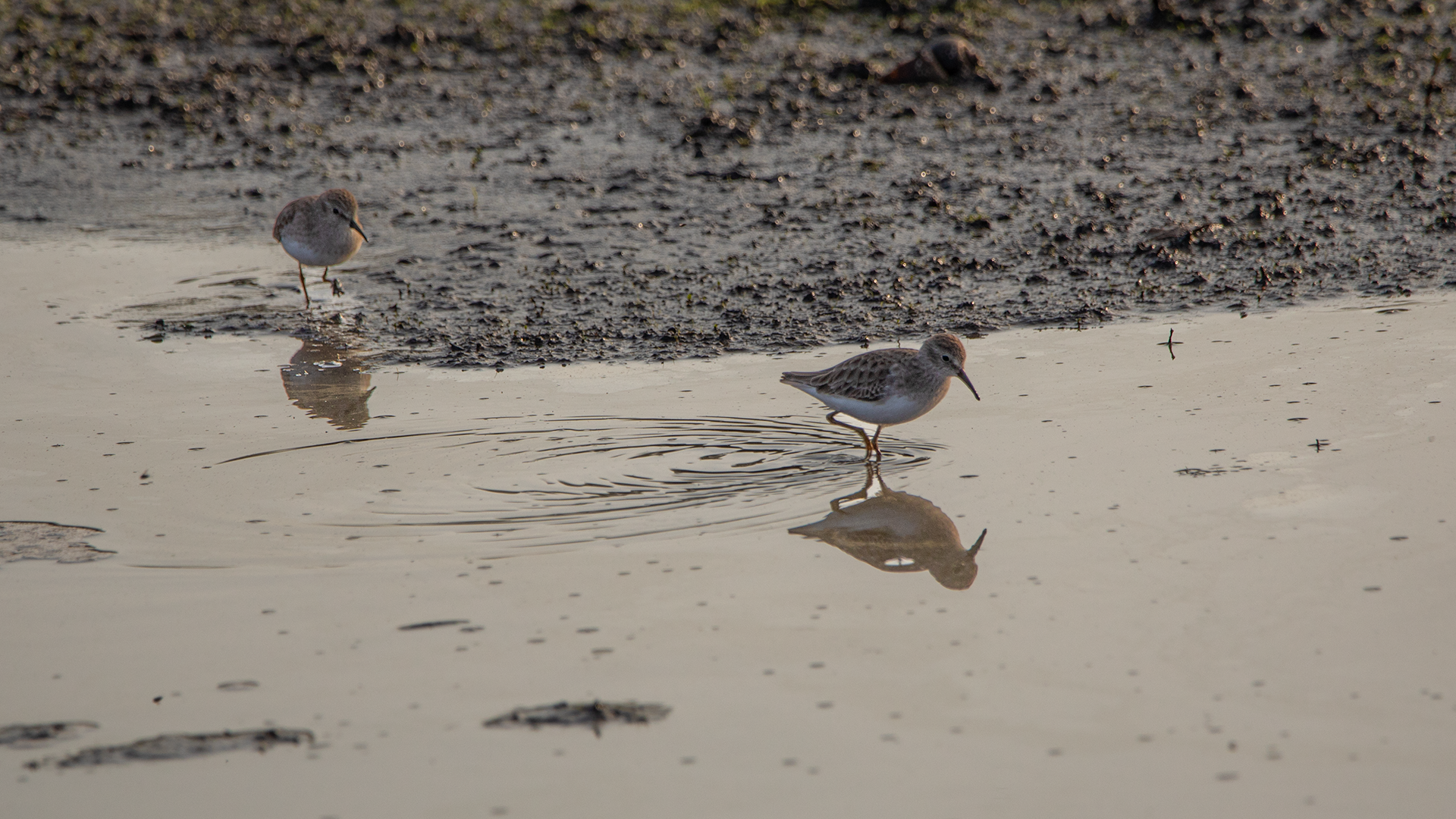
Some more birds from the backyard. Some of them are from Cullinan Park.
Click on the buttons below to filter.
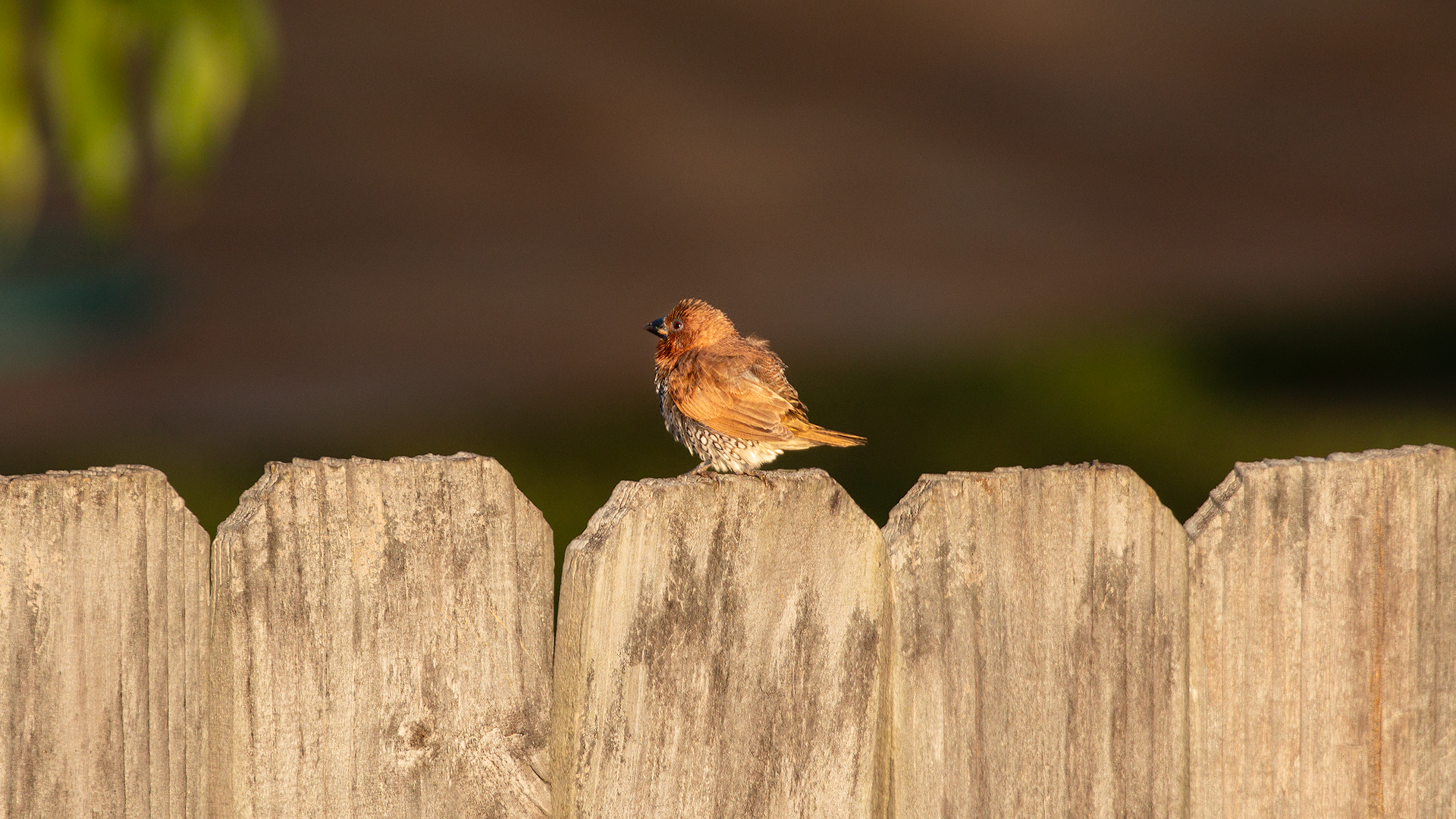
Attractive small songbird of grasslands, gardens, fields, and agricultural areas. Native to India and Southeast Asia, with introduced populations scattered elsewhere around the world. Typical adults dark chestnut-brown above, white below, with fine dark scaly pattern on belly; some populations duller brown. Juveniles plain brown all over with slightly paler underparts. Typically found in small flocks, sometimes mixed with other species of munia.
USA . Sugar Land . 2025
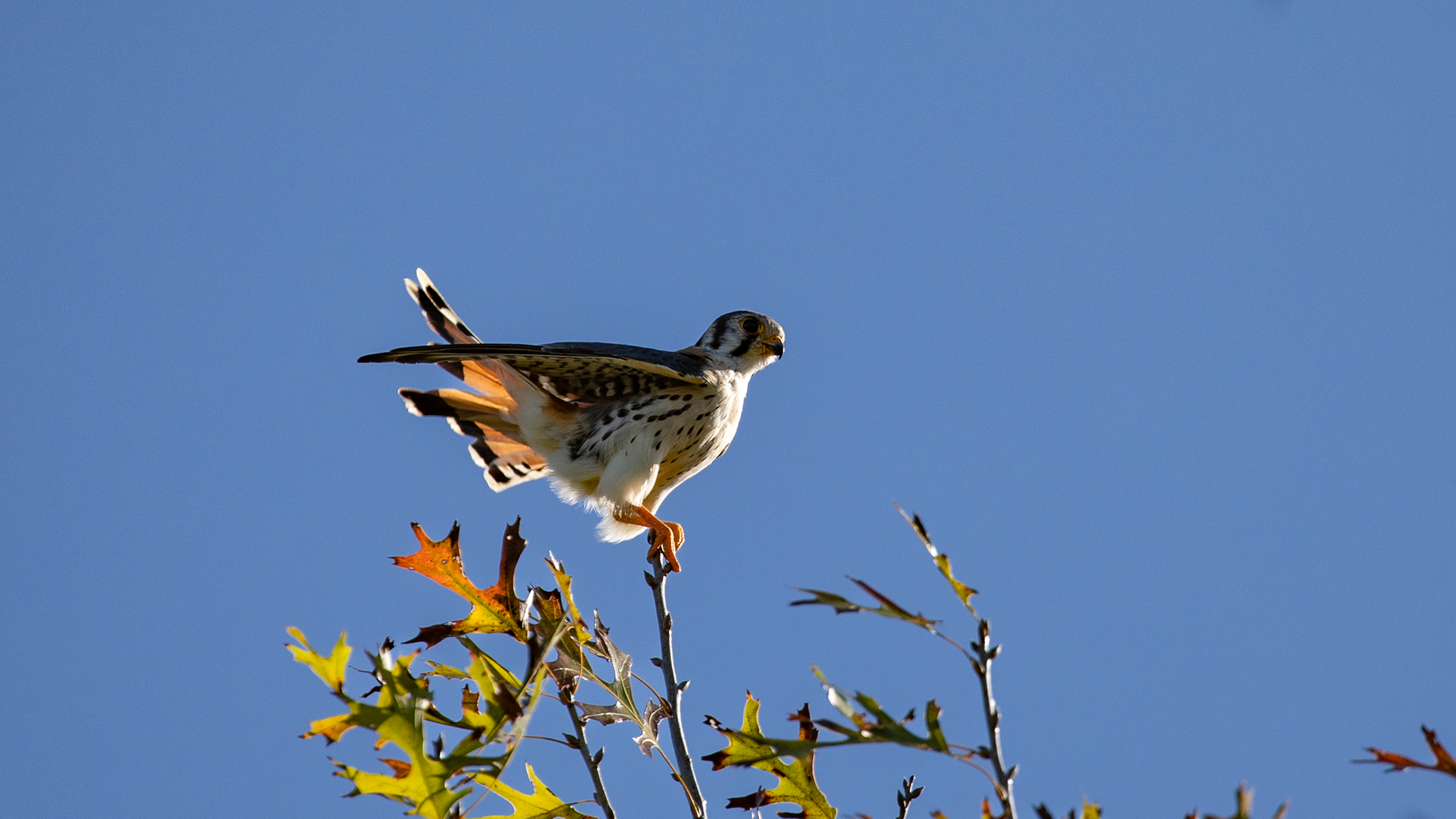
Petite falcon roughly the same size as Mourning Dove, but with a larger head and wider tail. In flight, note long, narrow wings and square-tipped tail. Often seen perched on telephone wires, along roadsides, in open country with short vegetation and few trees. From a perch or hovering, they usually drop to the ground to snatch small mammals and insects. Nests in cavities. Widespread across the Americas.
USA . Sugar Land . 2025
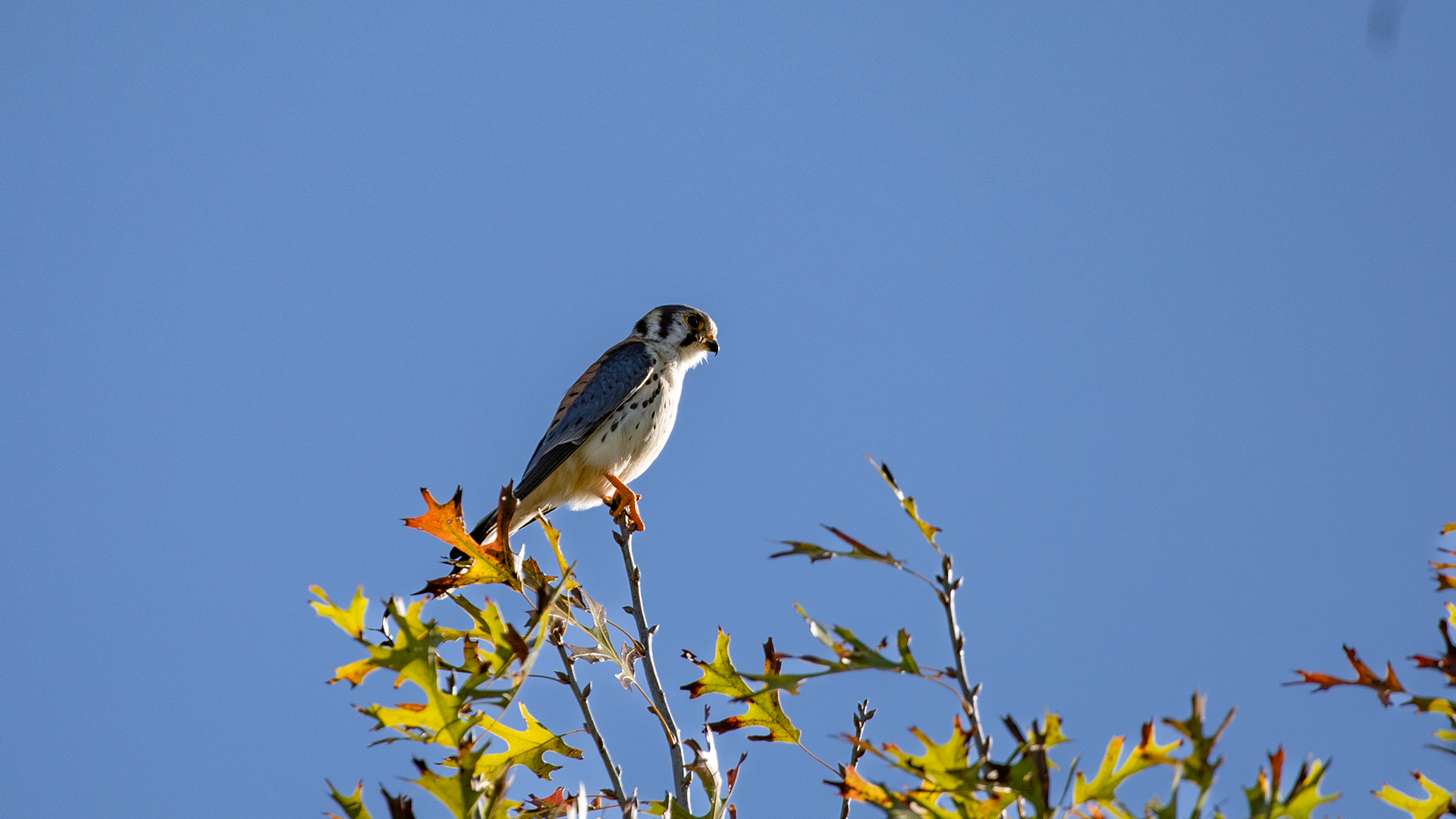
Petite falcon roughly the same size as Mourning Dove, but with a larger head and wider tail. In flight, note long, narrow wings and square-tipped tail. Often seen perched on telephone wires, along roadsides, in open country with short vegetation and few trees. From a perch or hovering, they usually drop to the ground to snatch small mammals and insects. Nests in cavities. Widespread across the Americas.
USA . Sugar Land . 2025
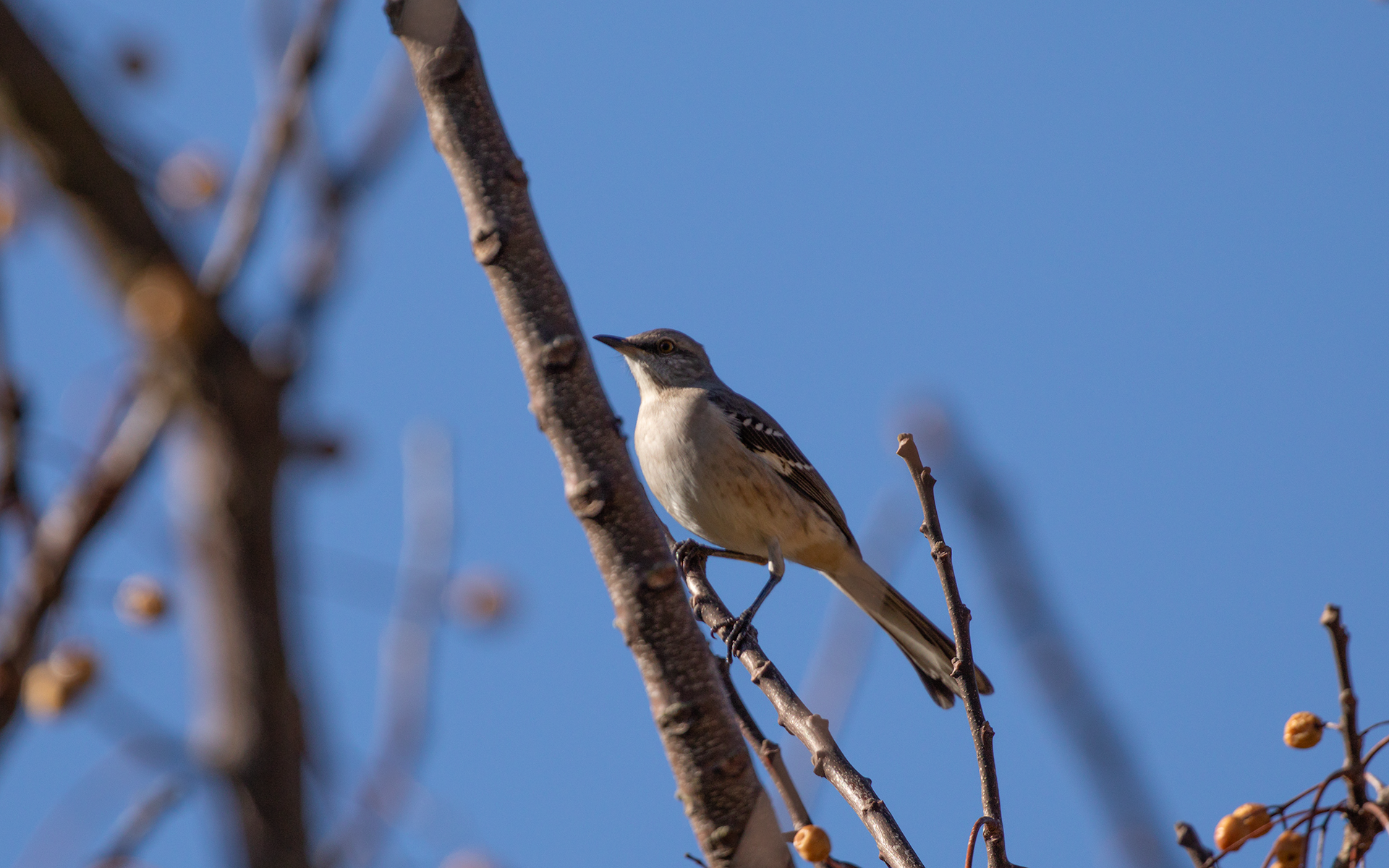
Common and fairly widespread across much of North America and the Caribbean. Medium-sized songbird with a relatively long tail, small head, and short bill. Gray above and paler whitish below. Note white wingbars and large white patch at the base of the primaries. Found in a variety of open habitats with scattered bushes or trees, often close to human settlements. Well-known for its impressive mimicry; often includes a wide range of other birds, car alarms, slamming doors, and other mechanical noises in its song. Limited range overlap with Tropical Mockingbird at the Isthmus of Tehuantepec in Mexico; Northern is most easily identified by its large white wing patches.
USA . Sugar Land . 2025
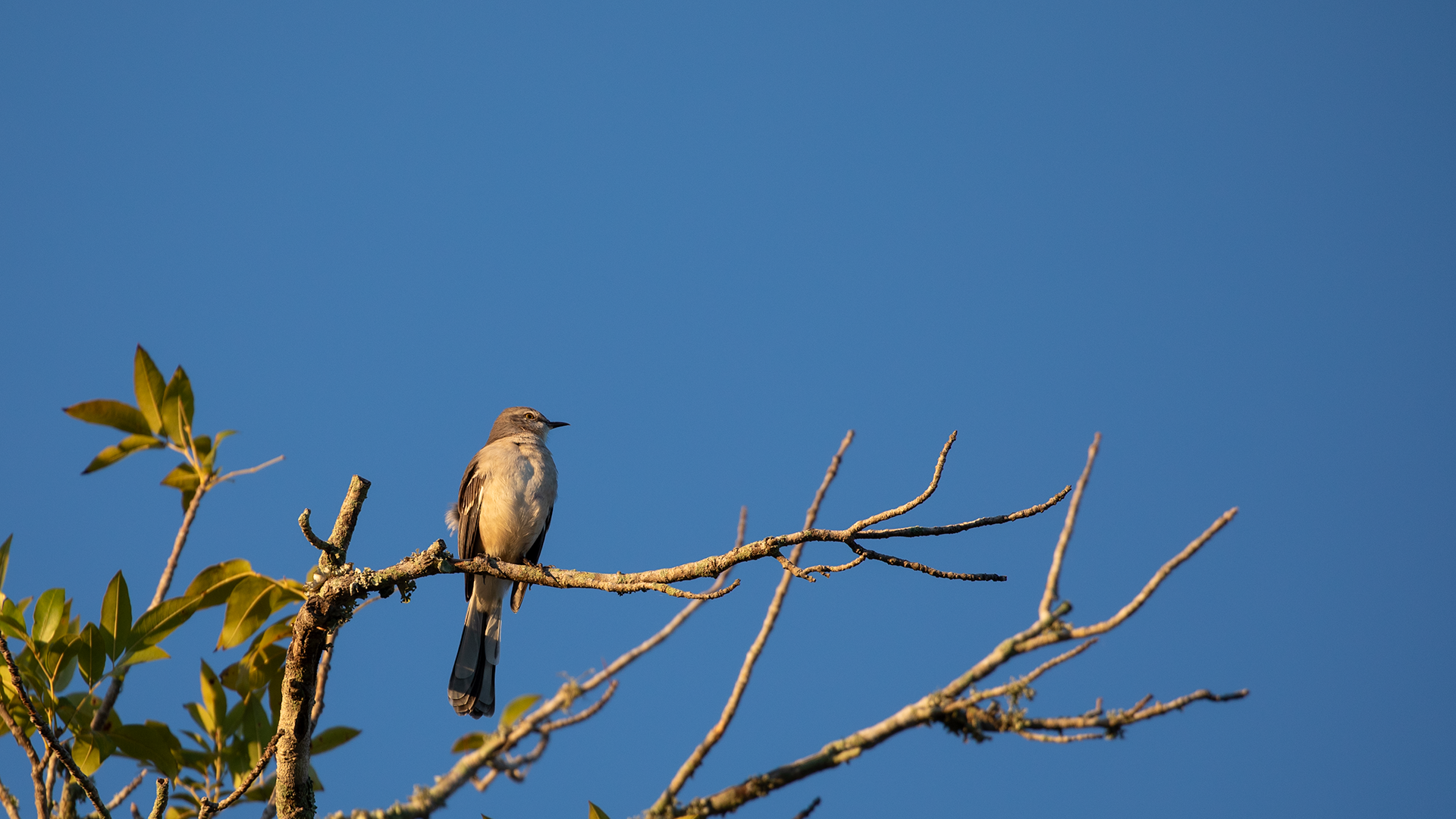
Common and fairly widespread across much of North America and the Caribbean. Medium-sized songbird with a relatively long tail, small head, and short bill. Gray above and paler whitish below. Note white wingbars and large white patch at the base of the primaries. Found in a variety of open habitats with scattered bushes or trees, often close to human settlements. Well-known for its impressive mimicry; often includes a wide range of other birds, car alarms, slamming doors, and other mechanical noises in its song. Limited range overlap with Tropical Mockingbird at the Isthmus of Tehuantepec in Mexico; Northern is most easily identified by its large white wing patches.
USA . Sugar Land . 2025
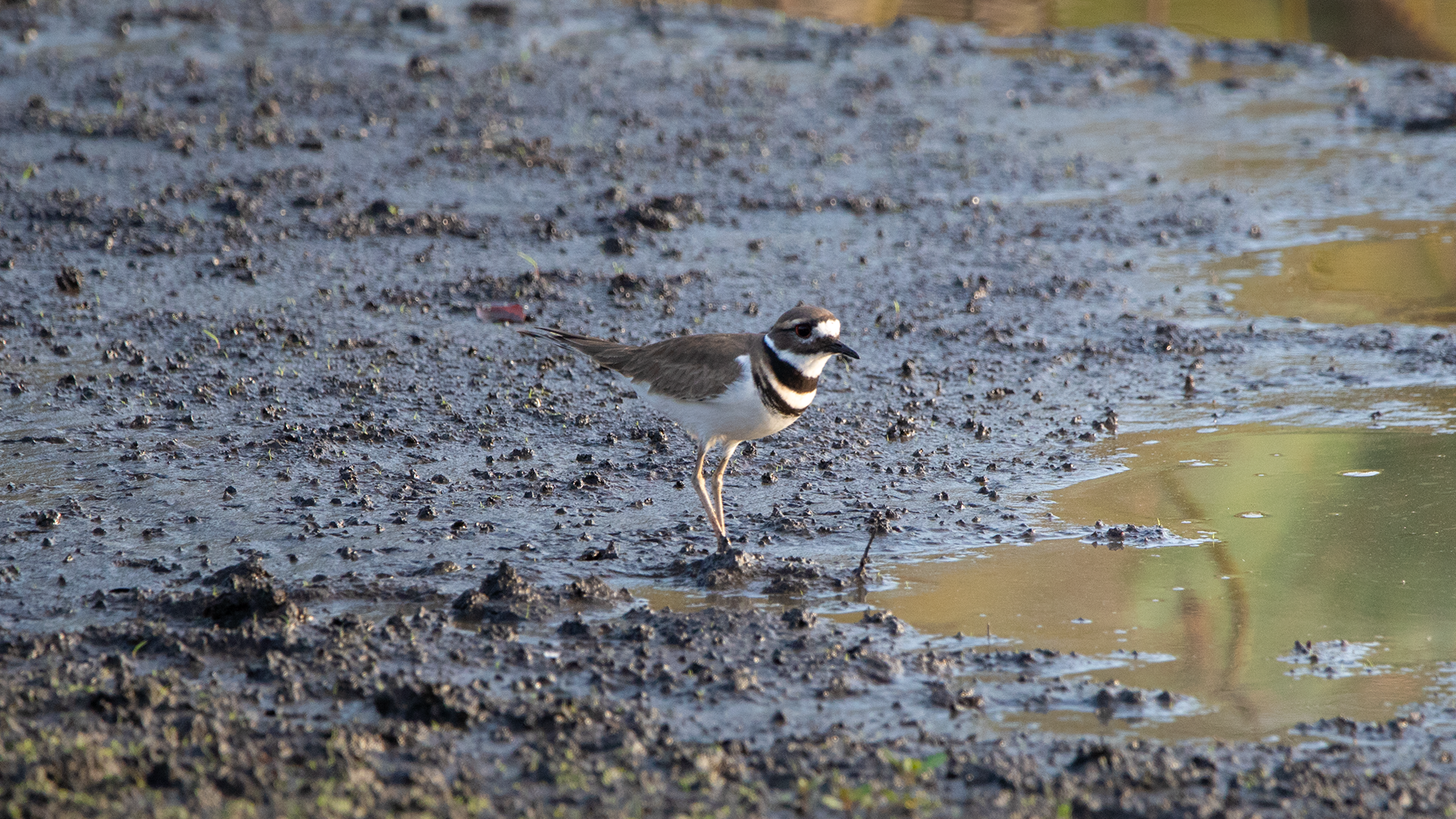
Common, large plover. Slender shape with long wings and tail. Look for two black breast bands, unique among plovers in its range. Often nests near human development: parking lots, school roofs, road edges, and farms, usually on bare gravel. Adults perform broken-wing displays to distract predators from their nests and young. Gathers in larger numbers in migration and winter, often in fields with short grass or barren dirt. Occurs throughout North America; more local along the Pacific coast of northern South America. Can be very vocal; listen for loud namesake “kill-deer” call.
USA . Sugar Land . 2025
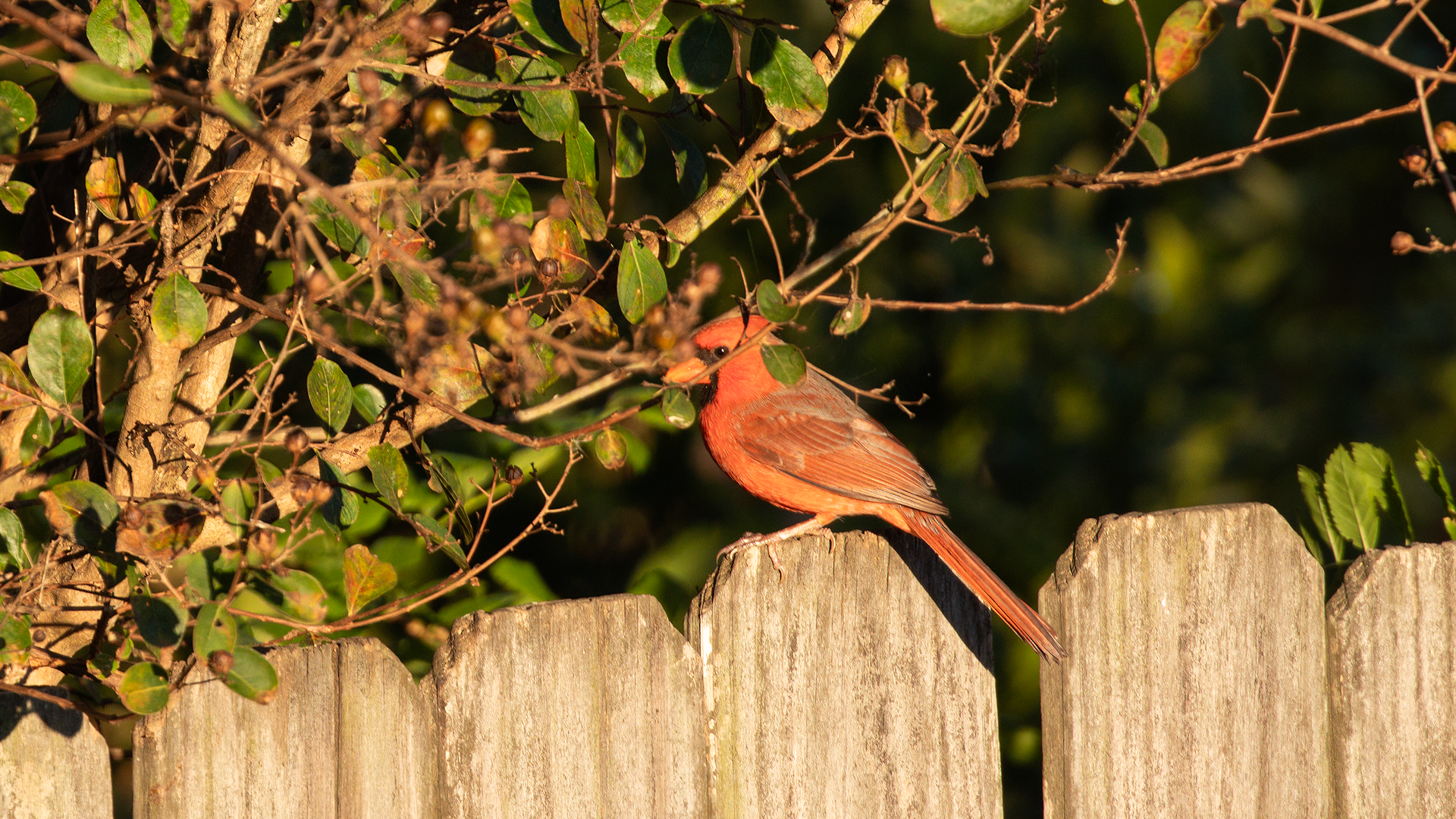
Striking and familiar backyard bird throughout most of eastern North America; also occurs in the southwestern U.S. and fairly extensively in Mexico. Crest, large red bill, and long tail render this species distinctive even with a poor view. Male is entirely red with a black face. Female is brownish overall with redder wings and tail. Usually seen in pairs or small groups near dense cover, especially thickets near forest edges. Frequently visits bird feeders. Listen for high-pitched metallic chips and series of loud, sweet whistles.
USA . Sugar Land . 2025

Dark body with orange bare skin at the base of the bill. Breeding adults are all black. Immatures and nonbreeders have paler breast. Dives underwater to catch fish. Swims like a duck in between dives. Finds open perches to spread wings and dry feathers. Can be in large flocks or solo. Most widespread cormorant across U.S. and Canada; also most likely to be seen inland.
USA . Sugar Land . 2025
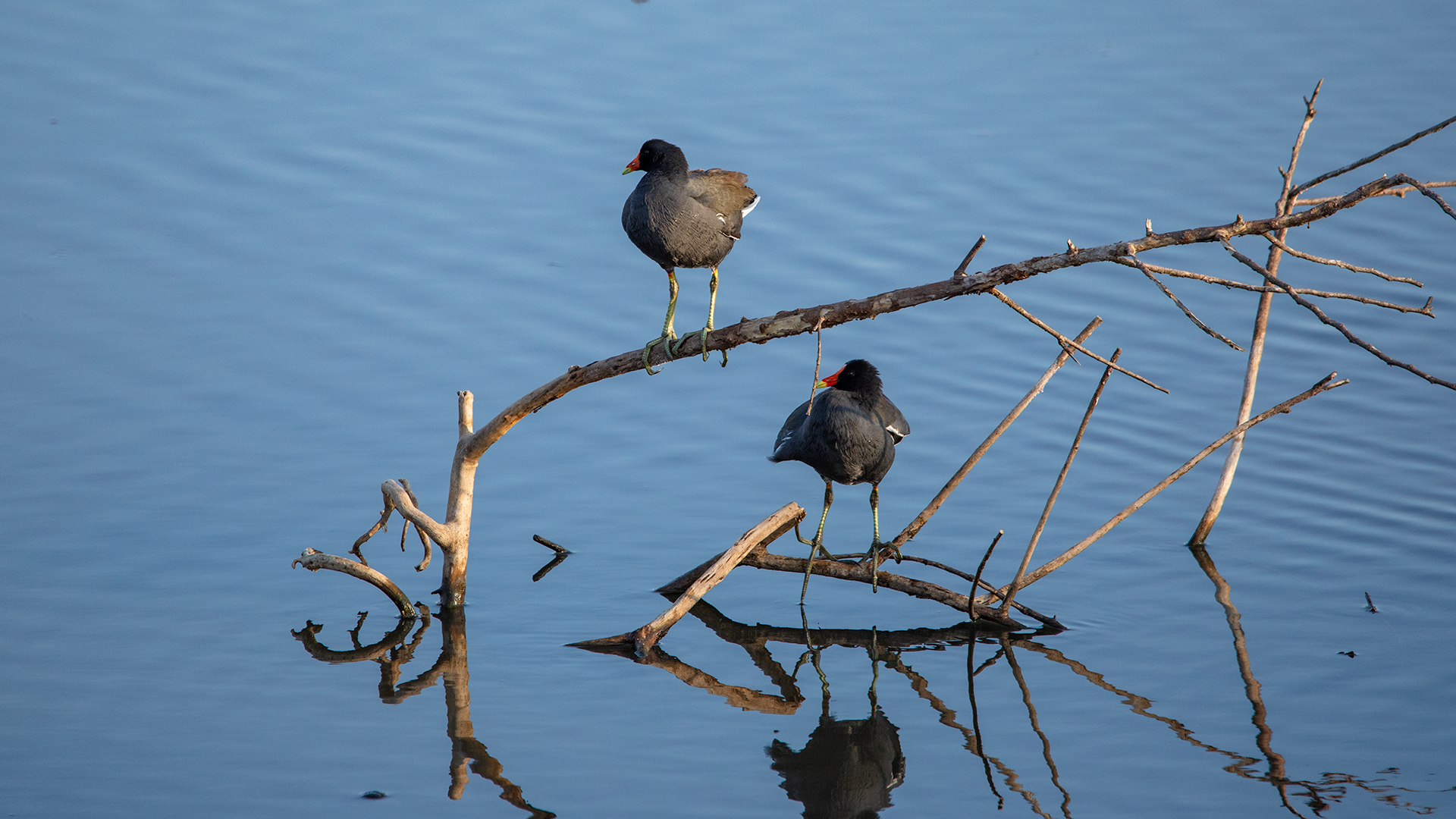
Blackish, chicken-like marsh bird, often found near cattails, never far from water. Often seen swimming, picking at the water's surface, or walking along the edge of aquatic vegetation. Thick legs and long toes are drab yellow. Adults have bright red bill with yellow tip, thin white side stripe, and some white under the tail. Immatures are paler and grayer than adults, lacking brightly colored bill.
USA . Sugar Land . 2025
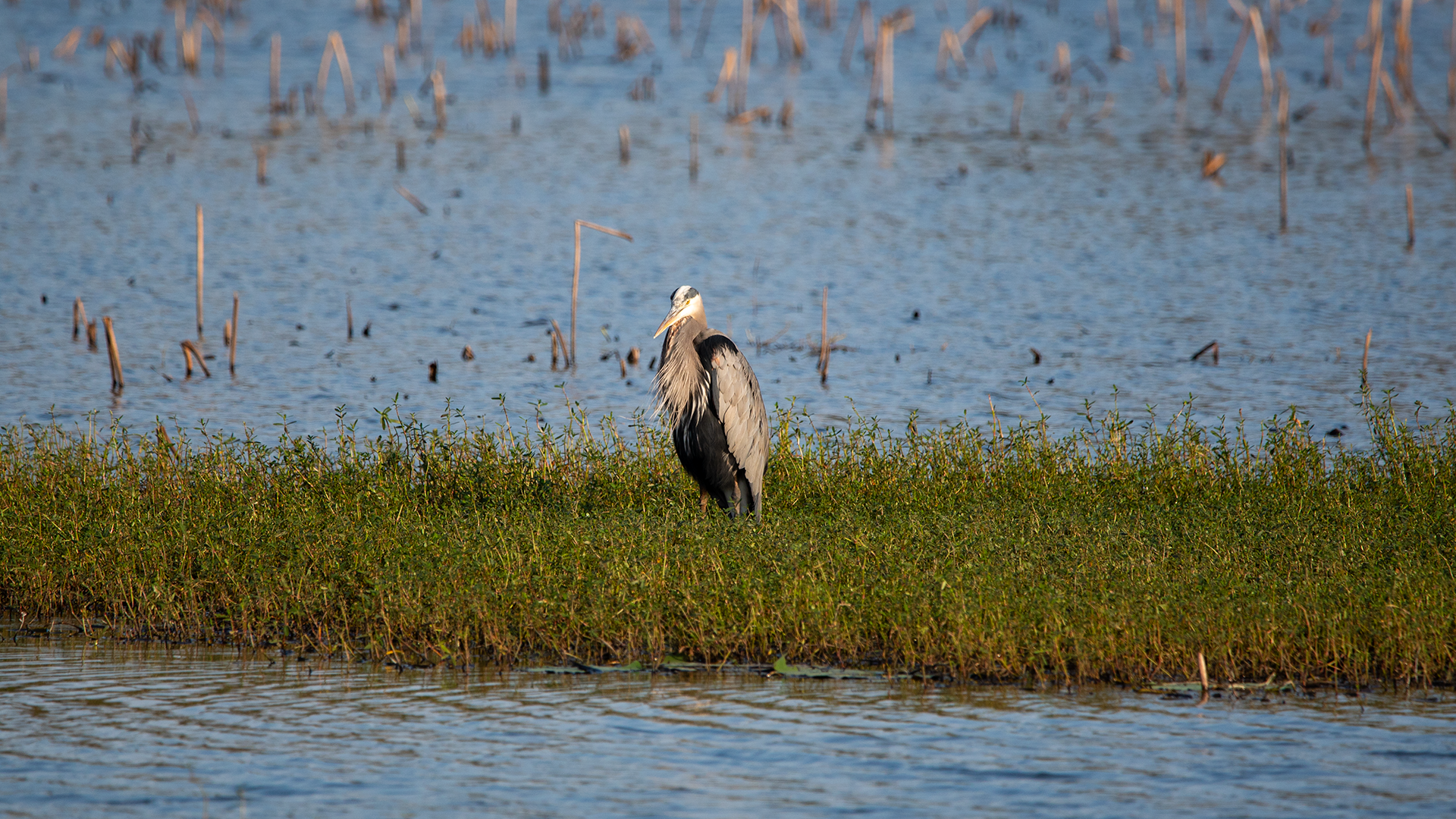
Huge gray heron, no other similar species in range. Note large yellow-orange bill, short black plumes on head, and black and chestnut pattern on shoulder. Immatures are more brownish than adults, and have a dark crown. Fairly common and widespread throughout North America; wintering range extends to northern South America. Occurs in almost any wetland habitat, from small ponds to marshes to saltwater bays. Usually seen singly but can gather in numbers where food is plentiful. White form, sometimes considered a separate species (“Great White Heron”), is found in southern Florida and the Caribbean. It is most similar to Great Egret but has a larger bill.
USA . Sugar Land . 2025
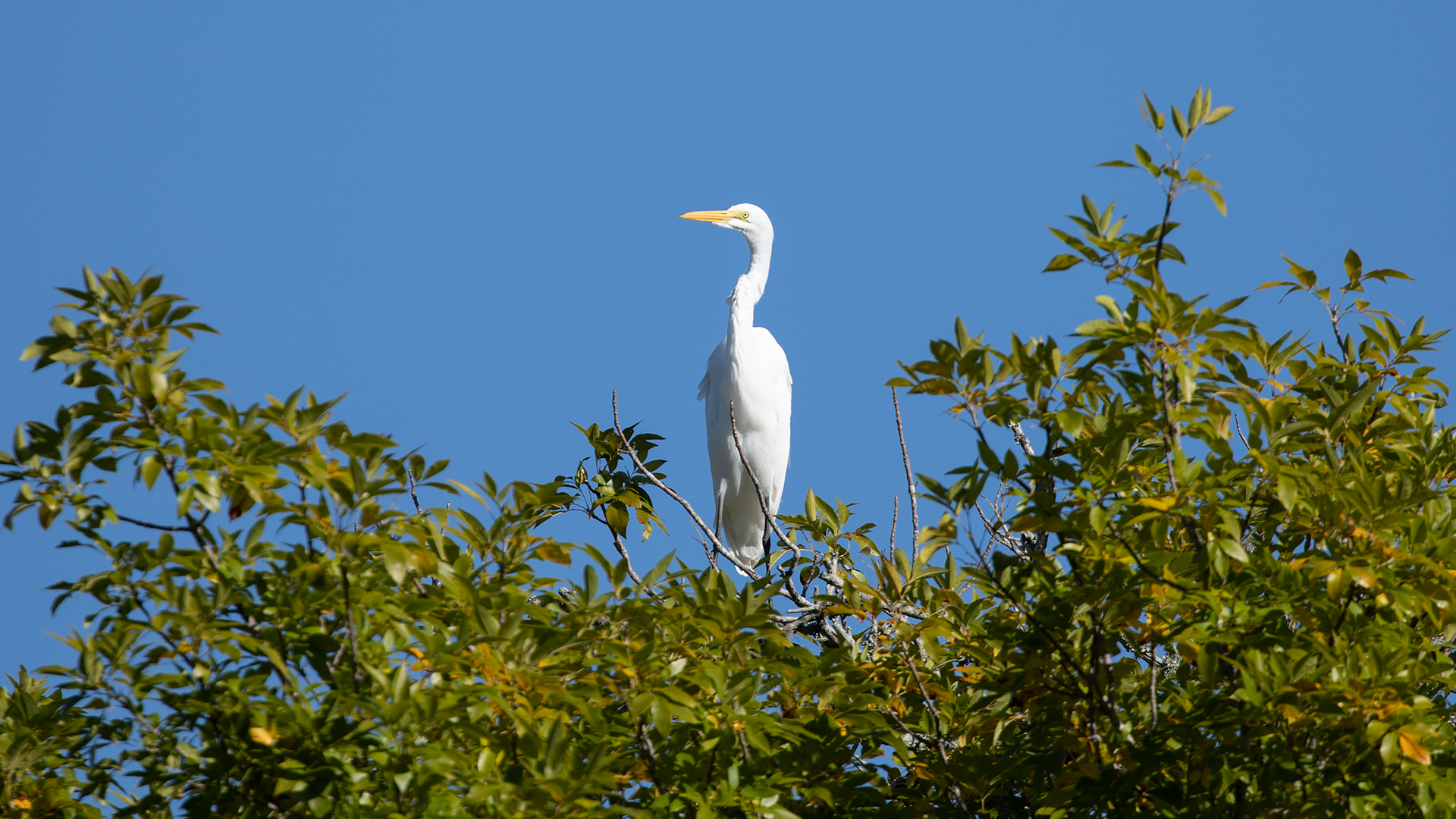
Large, lanky, long-necked white heron. Size and black legs help separate from other egrets. Widespread and fairly common across the globe. Bill color varies across range: always yellow in the Americas, black in breeding season elsewhere. Occurs in any shallow wetland, including ponds, marshes, and tidal mudflats. Slowly stalks prey in shallow water. Often seen singly, but sometimes gathers in large numbers where food is plentiful. Breeds in colonies, frequently mixed with other egrets and herons.
USA . Sugar Land . 2025
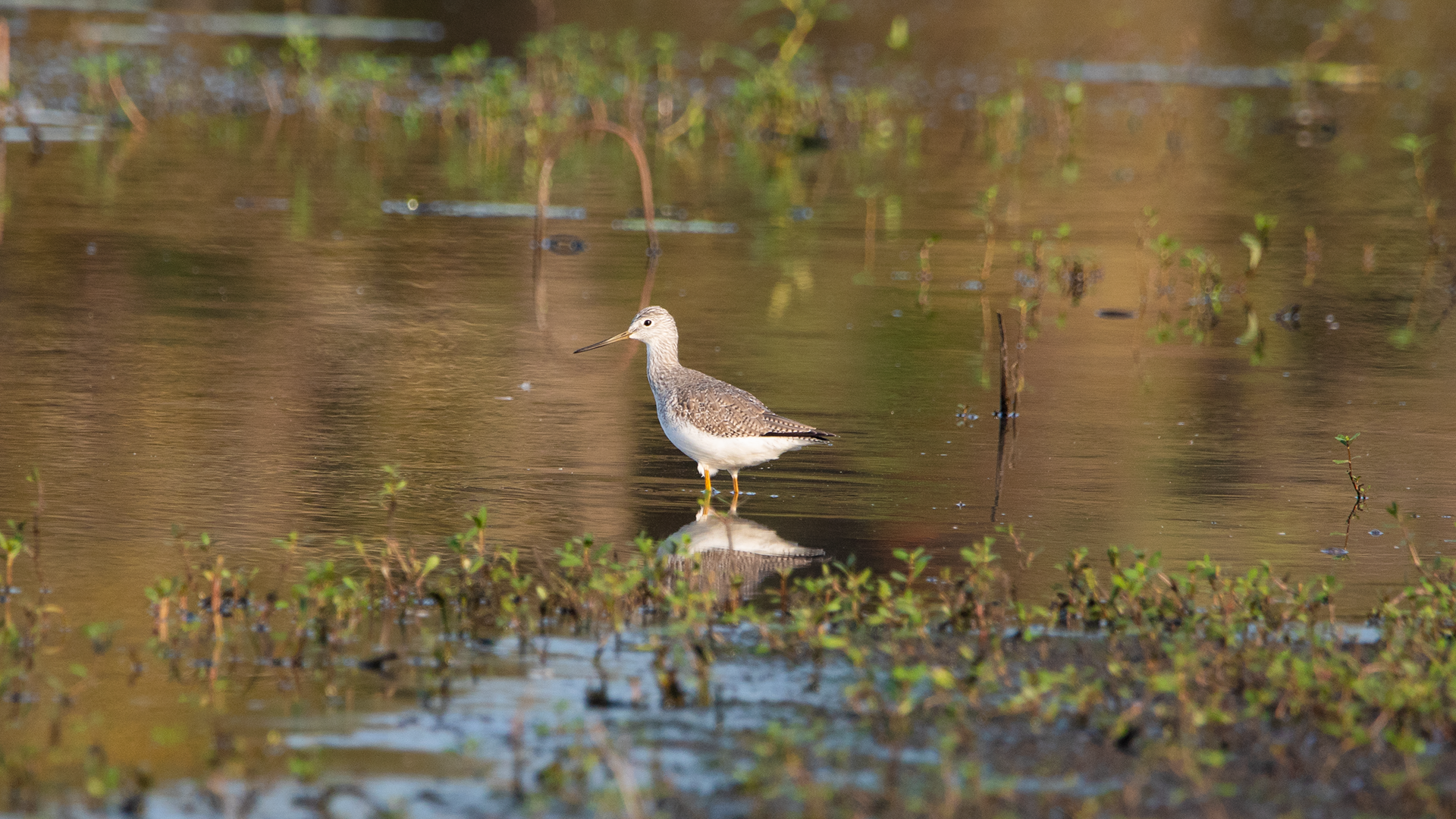
Fairly large shorebird with bright yellow legs. Plumage is essentially identical to Lesser Yellowlegs: gray upperparts with white speckling, streaky neck, and white belly. Proportions are most important for identification. Greater is larger overall with longer, thicker, more upturned bill, longer neck, blockier head, and bigger chest. Forages actively on mudflats and in shallow pools and marshes, often in loose mixed flocks with Lesser Yellowlegs. Somewhat more likely to be found in larger, more open habitats than Lesser, but much overlap. Listen for strong, ringing “tew tew tew!” calls, louder than Lesser, and usually three or four notes instead of one or two (though Greater can also give single notes).
USA . Sugar Land . 2025
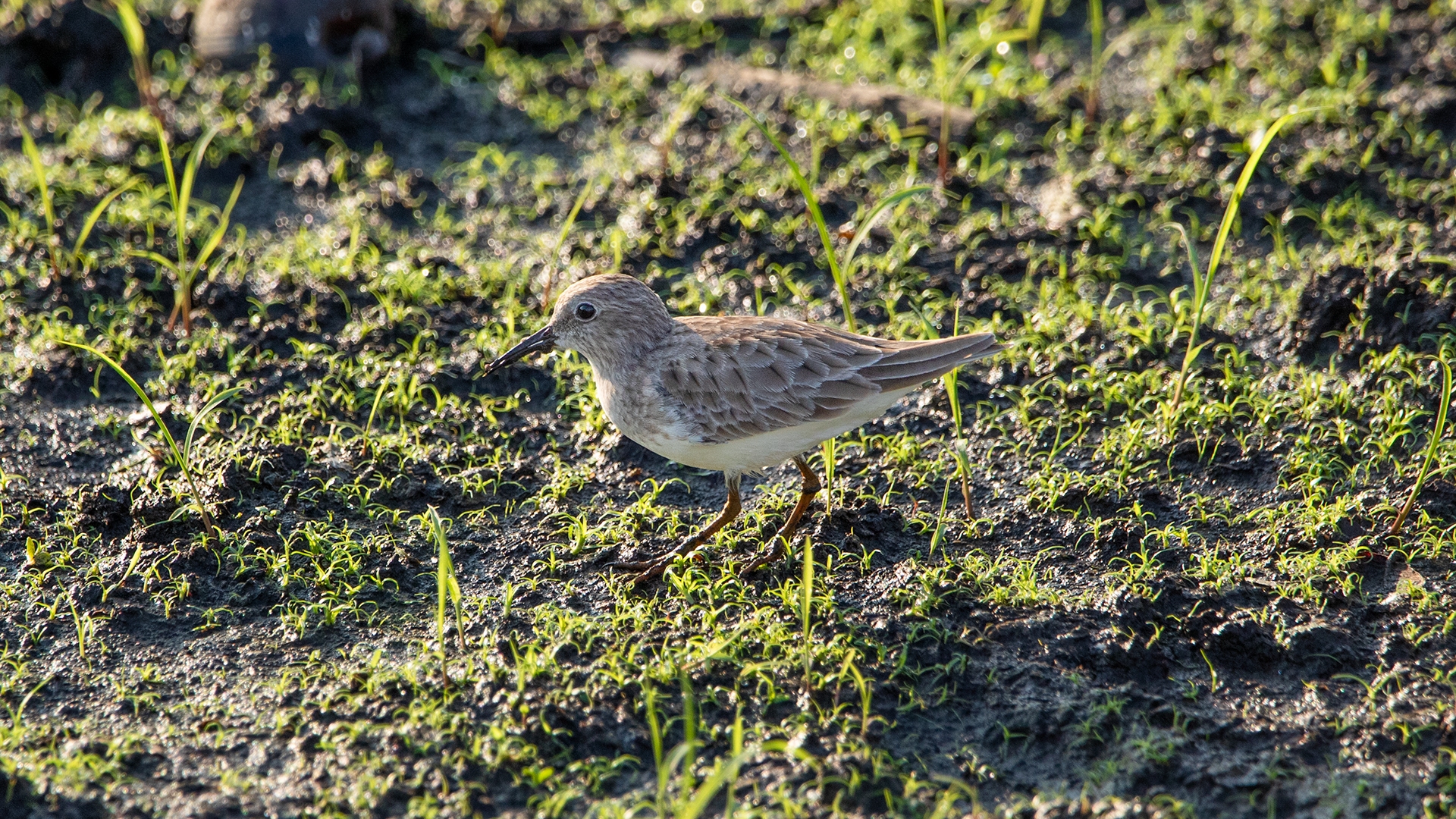
Tiny brownish sandpiper. At all ages, most easily distinguished from other small sandpipers by darker, more brownish coloration. Juveniles are particularly bright with rusty tones on the upperparts. Also note fine-tipped bill and yellowish legs, but beware legs can be covered with dark mud and other peeps (like Semipalmated Sandpiper) can rarely show slightly greenish legs. Habitat and behavior are helpful supporting clues, too. Typically forages in a crouched posture with bent legs, picking for invertebrates in the mud. Often in small loose groups, but not in large, tight flocks like Semipalmated or Western Sandpipers. Prefers drier mud, often on the higher edges of mudflats or small patches of water in marshes. Widespread and common, especially inland. Breeds in various wetland habitats throughout Alaska and Canada. Winters from the southern U.S. to South America. Listen for high-pitched, rolling “greeep!” calls.
USA . Sugar Land . 2025
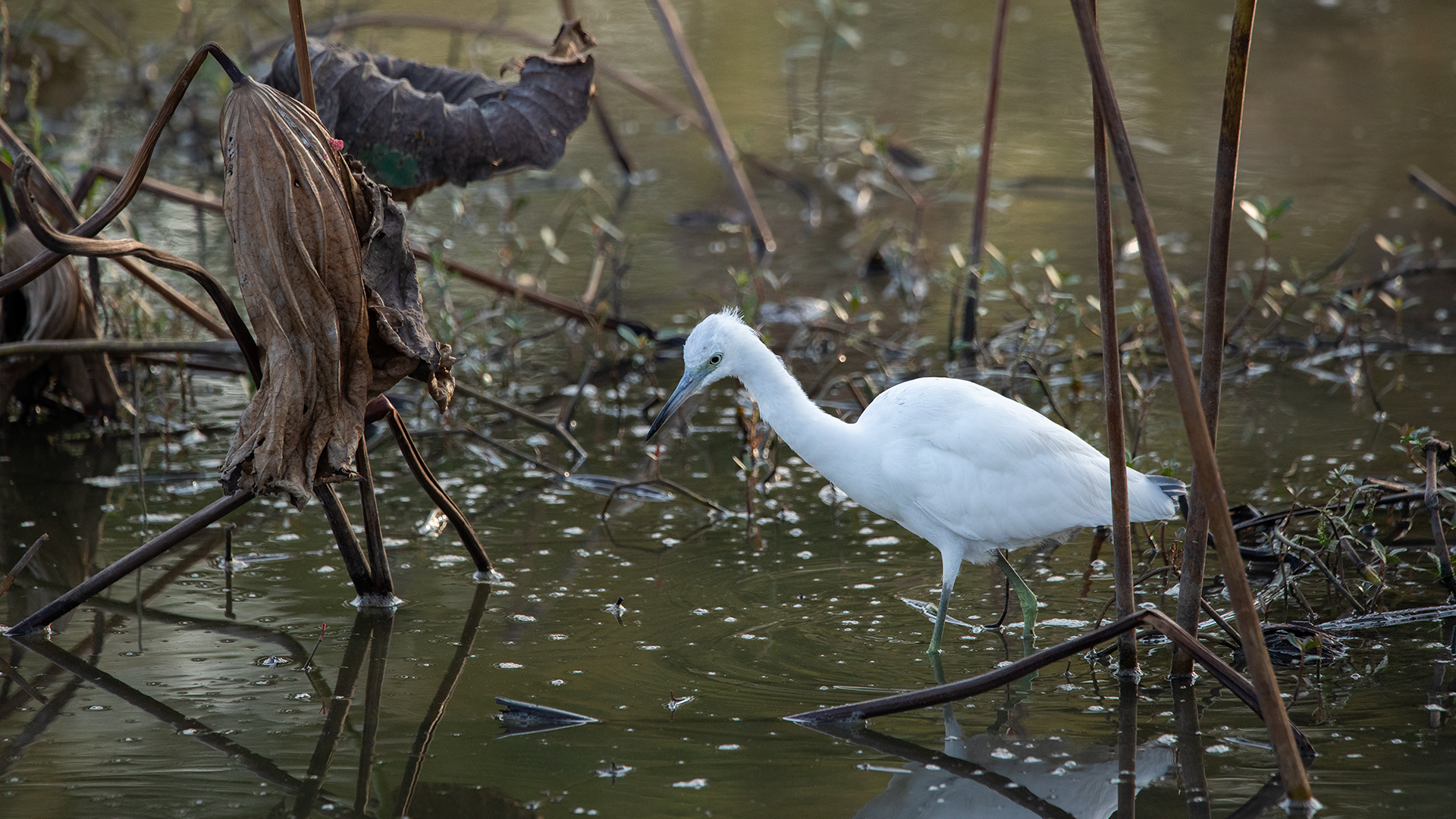
Small heron with strikingly different adult and immature plumages. Adult is distinctive: mostly grayish-blue with a contrasting deep purplish head and neck. Also note greenish legs and bicolored bill. Immatures are all white in their first year, with tiny dark tips on the outer wingtips. Take care to separate from Snowy Egret; note Little Blue always has dull greenish legs, grayish or greenish lores, and usually a two-toned bill. Little Blue also forages more slowly, often pausing for long periods of time with neck outstretched and bill pointed down. In their first spring, Little Blues start to show splotches of gray-blue plumage. Locally common from the eastern U.S. to South America; especially common near the coast. Found in a variety of wetland habitats, especially shallow marshy pools.
USA . Sugar Land . 2025
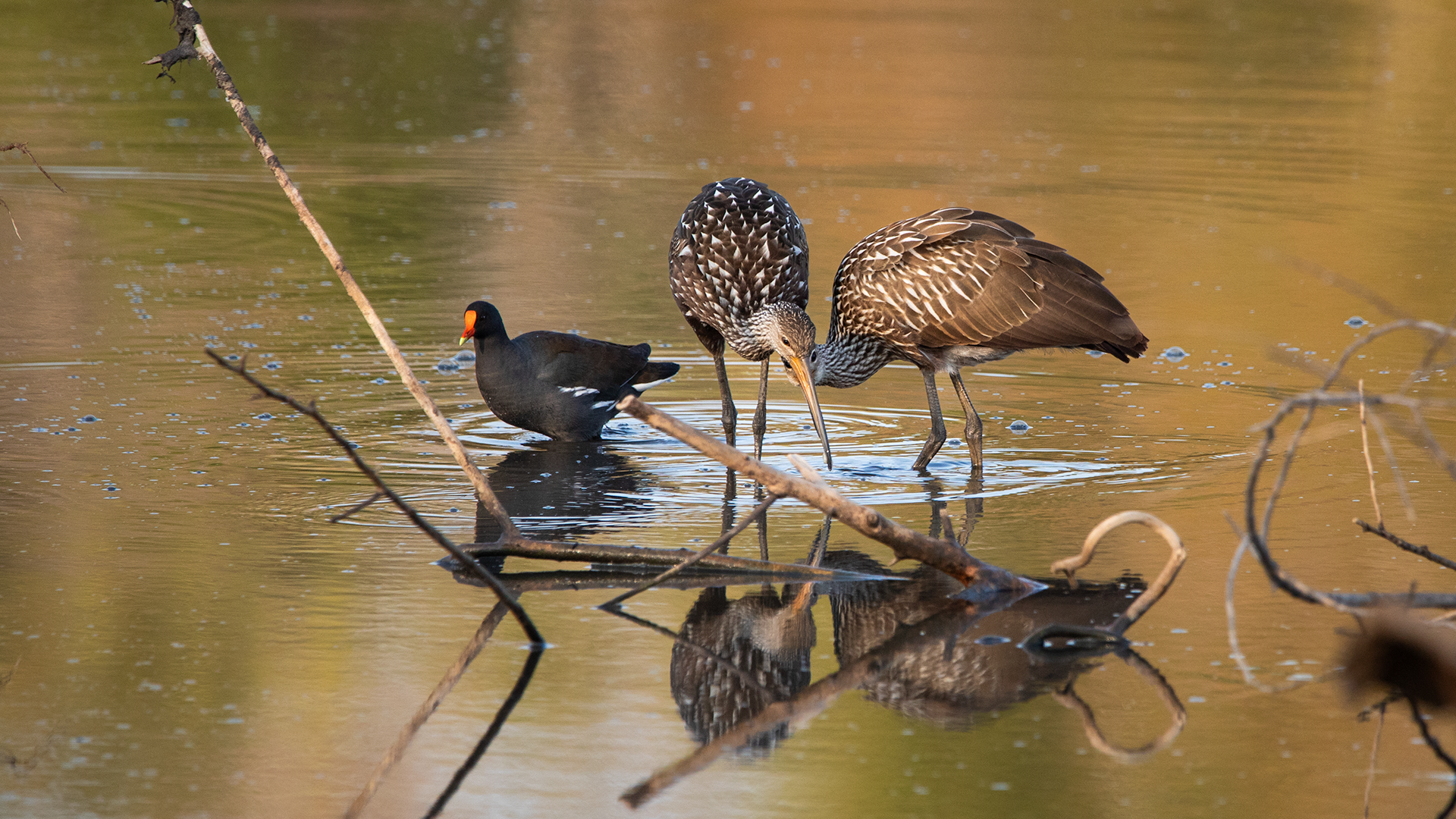
Large heronlike bird, reminiscent of a gangly ibis but more closely related to rails. Brown with white spots and streaks, densest on the head and neck. Long yellowish bill is slightly decurved. Found in marshes or swamps, often with trees and shrubs, but also regularly seen at the edges of ponds in otherwise highly managed city parks. Feeds almost exclusively on apple snails. Usually single or in pairs. Distinctive voice is a loud, creaky wail, often heard as an eerie jungle sound effect in films.
USA . Sugar Land . 2025
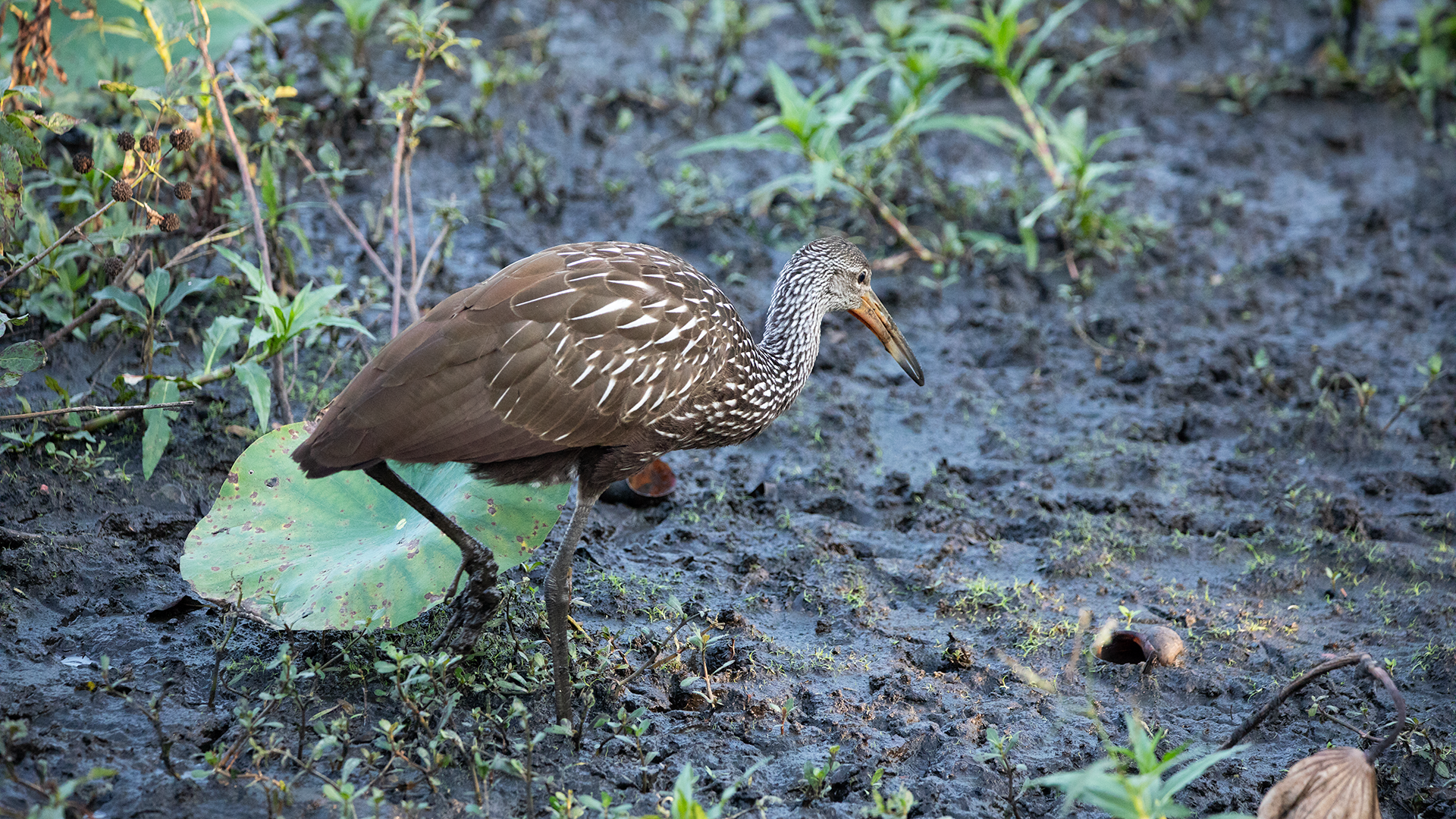
Large heronlike bird, reminiscent of a gangly ibis but more closely related to rails. Brown with white spots and streaks, densest on the head and neck. Long yellowish bill is slightly decurved. Found in marshes or swamps, often with trees and shrubs, but also regularly seen at the edges of ponds in otherwise highly managed city parks. Feeds almost exclusively on apple snails. Usually single or in pairs. Distinctive voice is a loud, creaky wail, often heard as an eerie jungle sound effect in films.
USA . Sugar Land . 2025
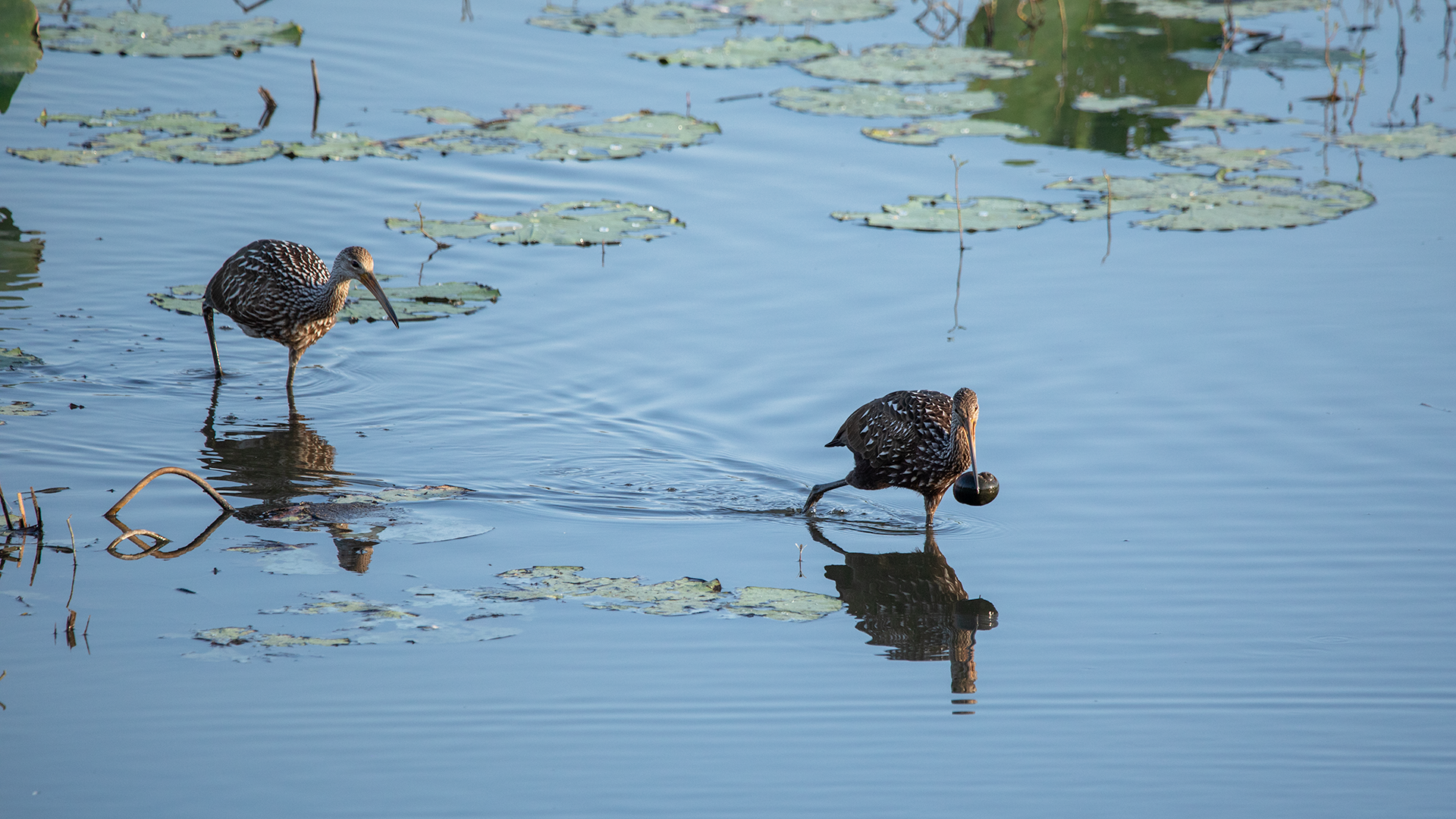
Large heronlike bird, reminiscent of a gangly ibis but more closely related to rails. Brown with white spots and streaks, densest on the head and neck. Long yellowish bill is slightly decurved. Found in marshes or swamps, often with trees and shrubs, but also regularly seen at the edges of ponds in otherwise highly managed city parks. Feeds almost exclusively on apple snails. Usually single or in pairs. Distinctive voice is a loud, creaky wail, often heard as an eerie jungle sound effect in films.
USA . Sugar Land . 2025
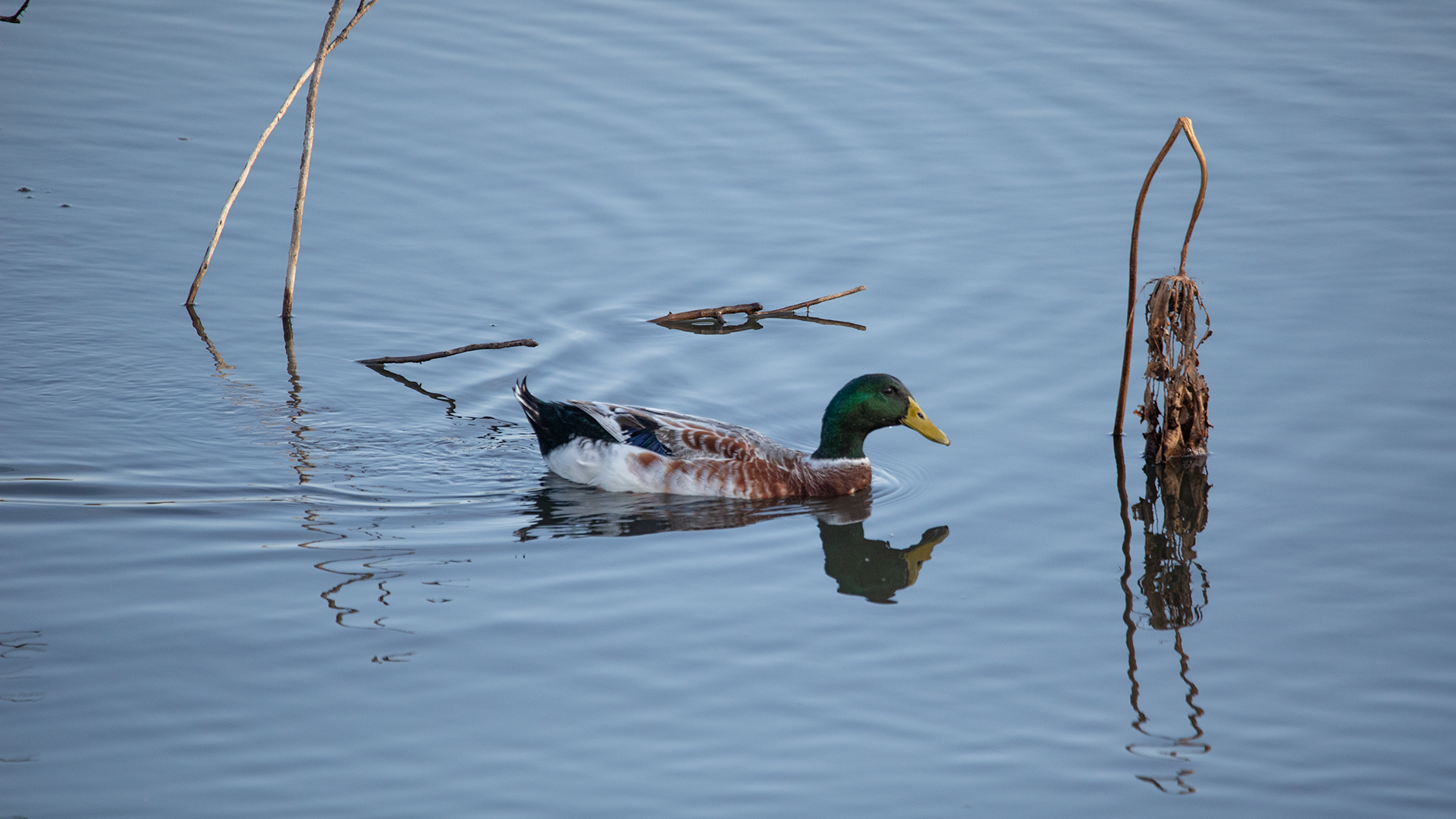
A large duck, generally common and familiar within its extensive range. Males are distinctive with iridescent green head, yellow bill, chestnut breast, and gray body. Females are mottled brown with orange and black splotches on the bill. Found anywhere with water, including city parks, backyard creeks, and various wetland habitats. Often in flocks, and frequently mixes with other duck species. In North America, females can be tricky to distinguish from American Black Duck, Mottled Duck, and Mexican Duck where ranges overlap. Those species are all darker-bodied than Mallard. A good view of the wing can be helpful, too: white wingbars on the leading and trailing edges of the blue wing patch are bolder on Mallard. Frequently hybridizes with those species, which can be even more confusing. Any bird with extensive white in the tail or curled feathers above the tail has some Mallard genes.
USA . Sugar Land . 2025
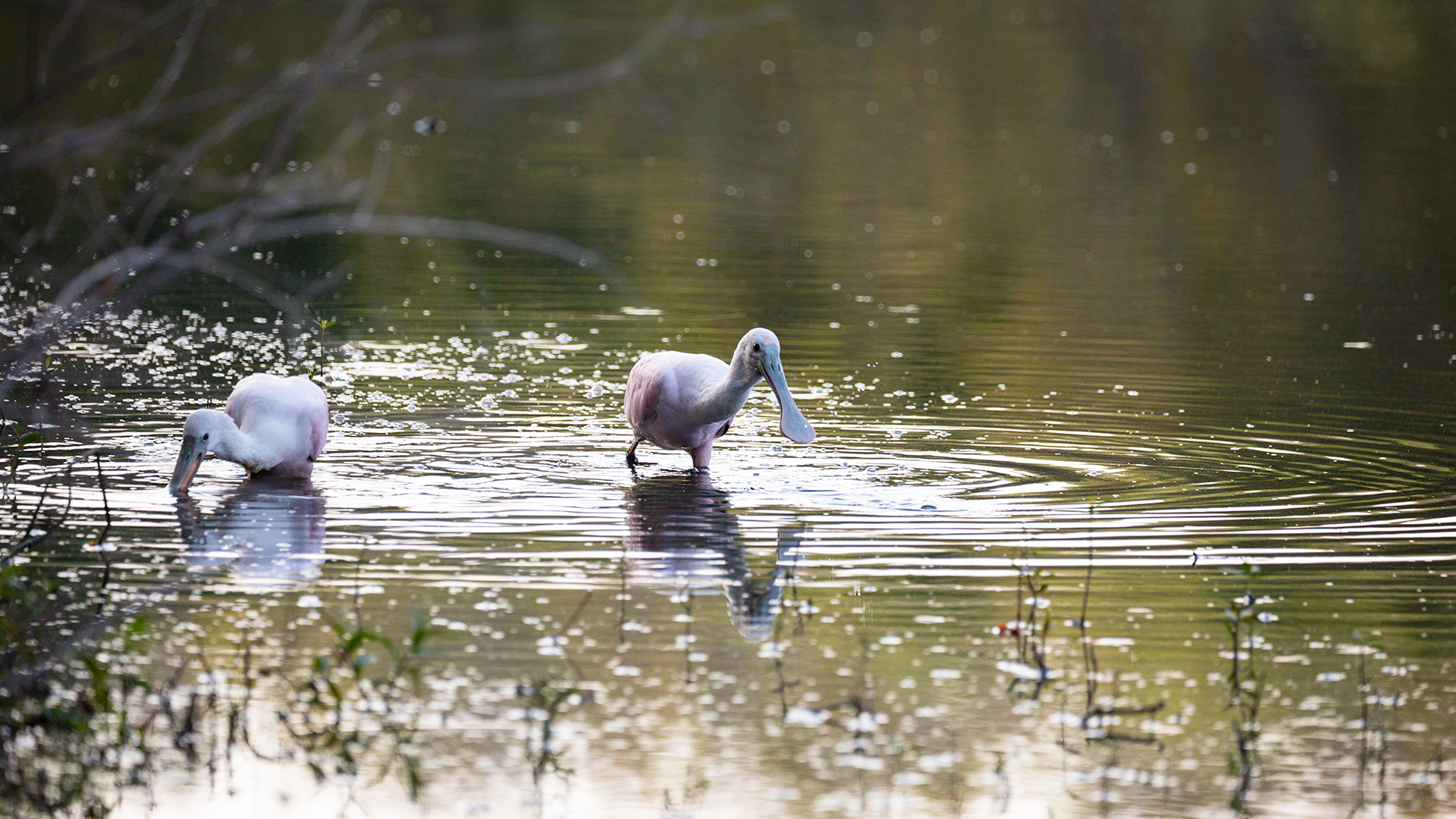
Unique pink wading bird with long, flat, spoon-shaped bill. Adults are mostly pink overall, with scarlet wing patches, orange tail, and bare pale-green head. Immatures are duller than adults but still washed with pale pink. Sometimes mistaken for a flamingo, but note spoonbill's distinctive bill, shorter legs, and shorter neck. Occurs in freshwater and saltwater wetlands from the Gulf Coast of the U.S. through much of South America. Feeds by sifting side-to-side through shallow water. Often in small loose groups, sometimes with other wading birds like storks and herons.
USA . Sugar Land . 2025
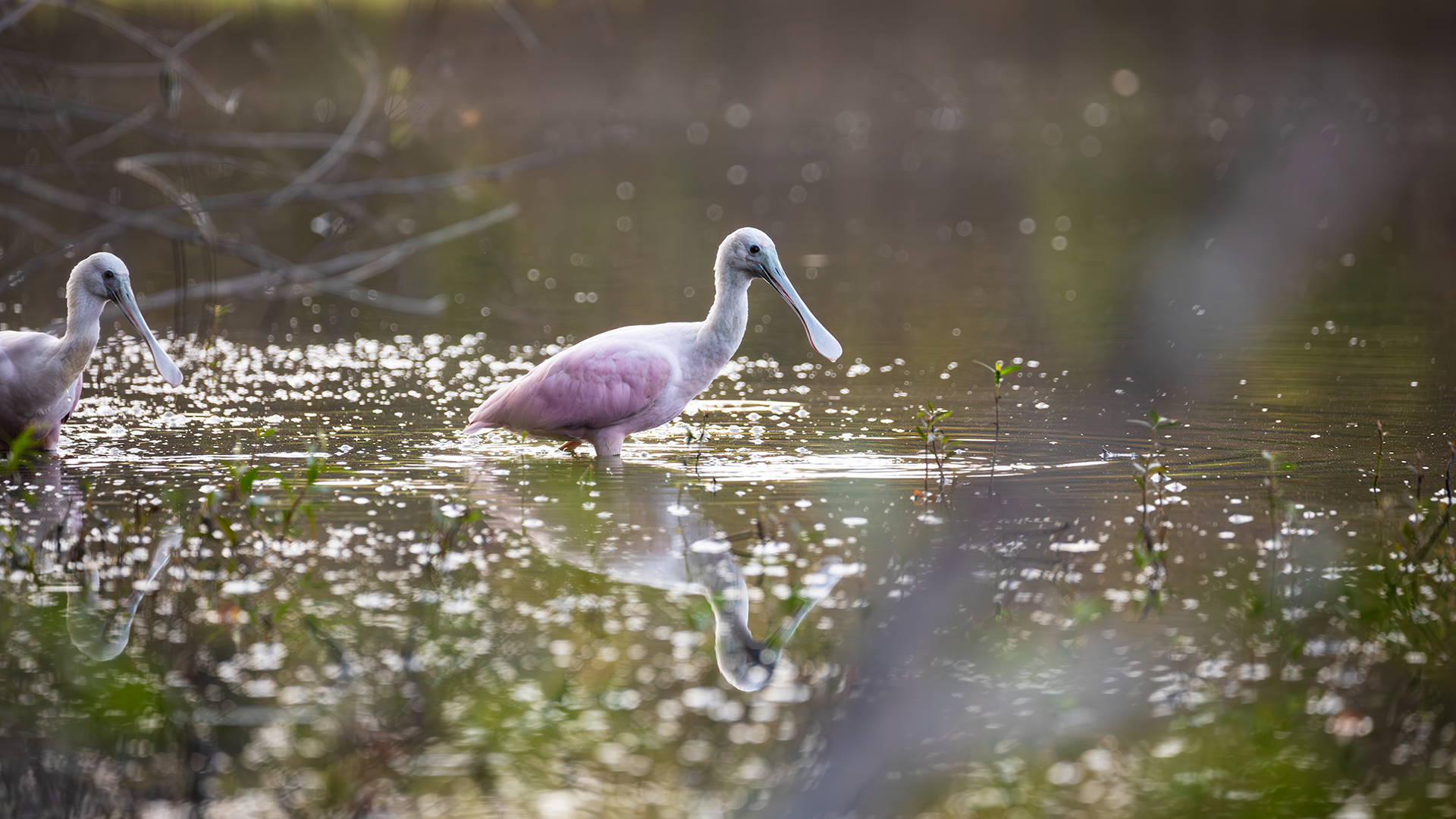
Unique pink wading bird with long, flat, spoon-shaped bill. Adults are mostly pink overall, with scarlet wing patches, orange tail, and bare pale-green head. Immatures are duller than adults but still washed with pale pink. Sometimes mistaken for a flamingo, but note spoonbill's distinctive bill, shorter legs, and shorter neck. Occurs in freshwater and saltwater wetlands from the Gulf Coast of the U.S. through much of South America. Feeds by sifting side-to-side through shallow water. Often in small loose groups, sometimes with other wading birds like storks and herons.
USA . Sugar Land . 2025
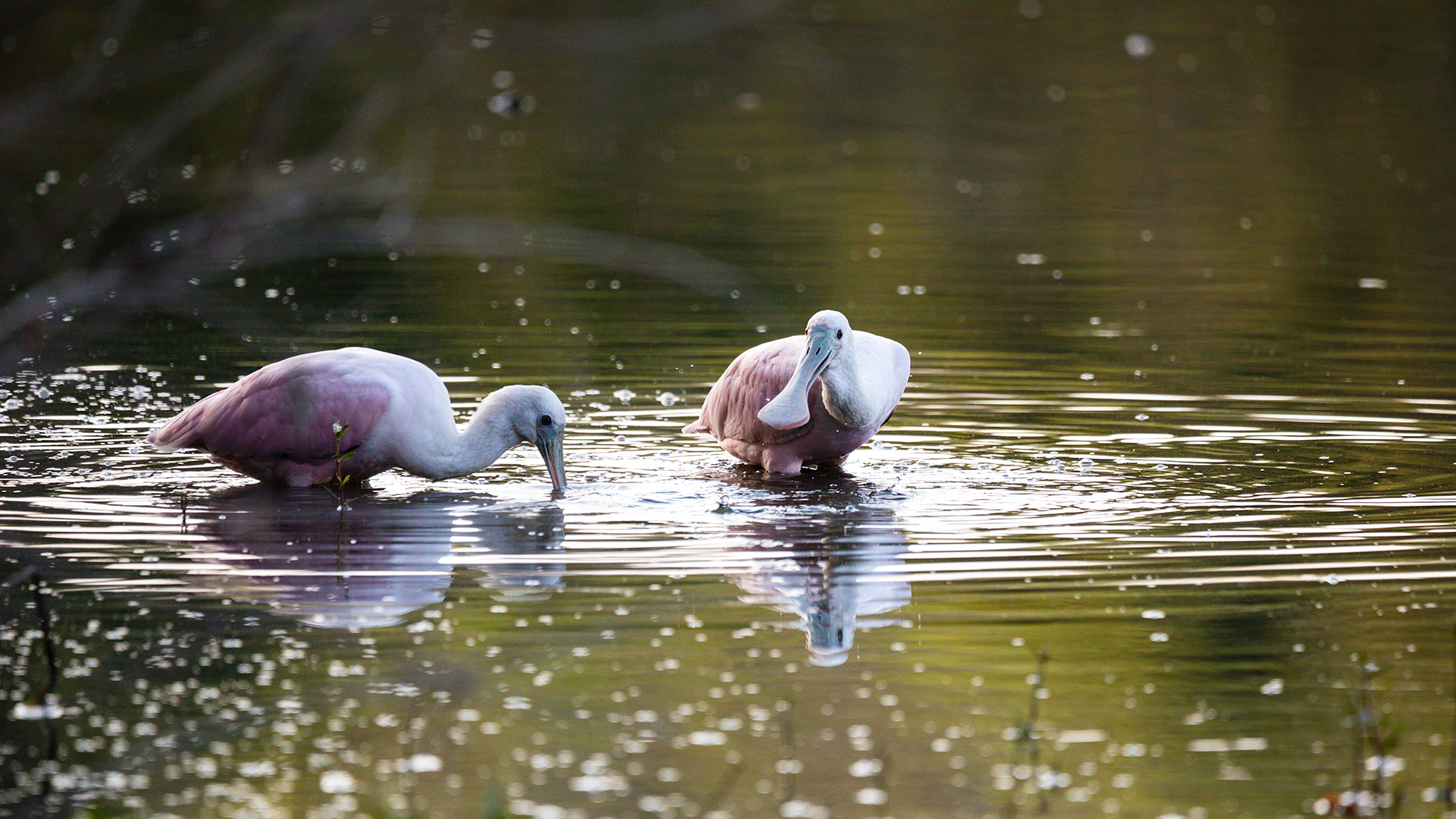
Unique pink wading bird with long, flat, spoon-shaped bill. Adults are mostly pink overall, with scarlet wing patches, orange tail, and bare pale-green head. Immatures are duller than adults but still washed with pale pink. Sometimes mistaken for a flamingo, but note spoonbill's distinctive bill, shorter legs, and shorter neck. Occurs in freshwater and saltwater wetlands from the Gulf Coast of the U.S. through much of South America. Feeds by sifting side-to-side through shallow water. Often in small loose groups, sometimes with other wading birds like storks and herons.
USA . Sugar Land . 2025
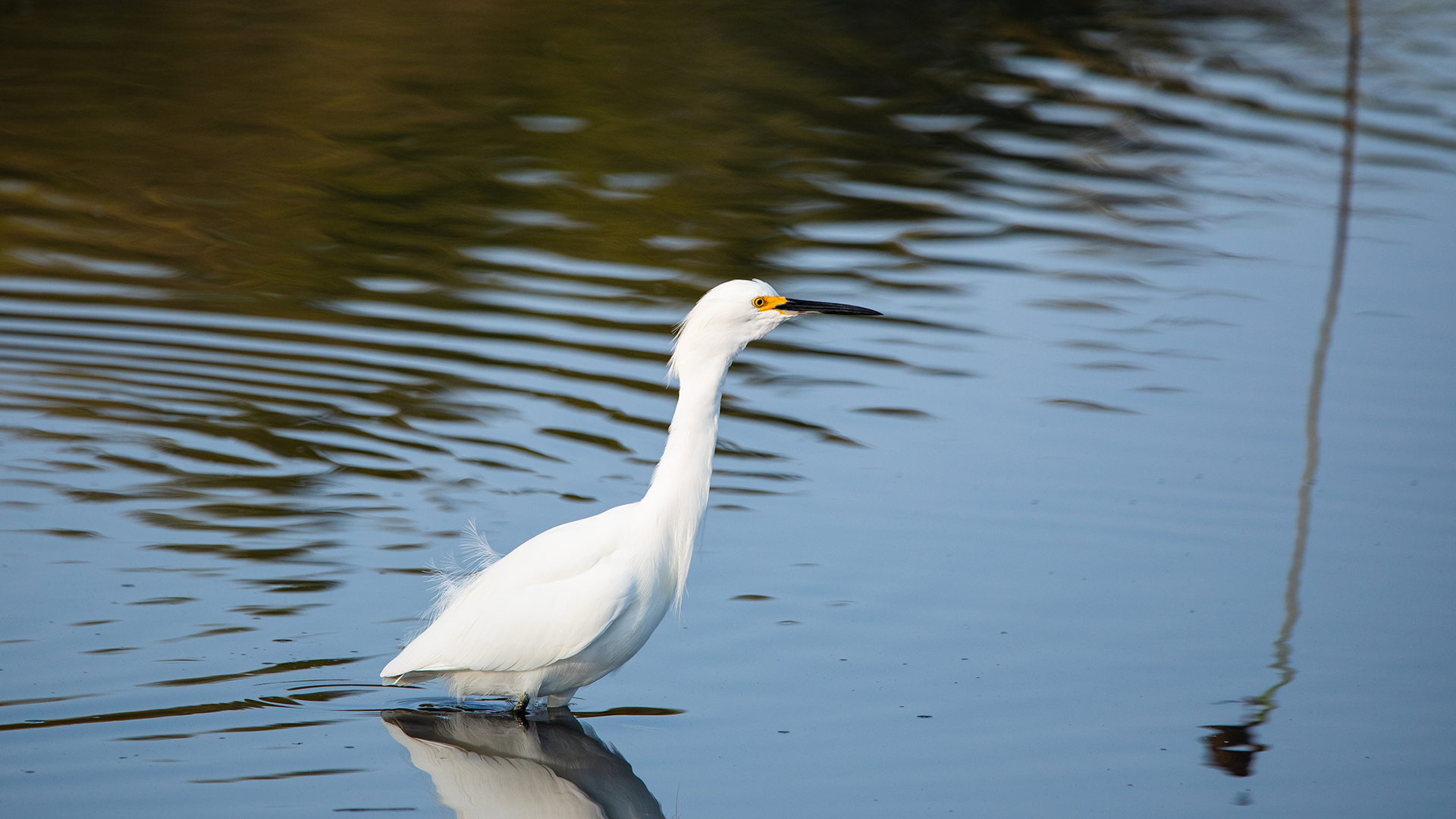
Small white heron with black bill, black legs, and yellow feet. Lores (between eye and bill) are usually bright yellow, but flush reddish in the breeding season. Also note lacy plumes on head, breast, and back during breeding season. Immatures have duller yellow lores and more yellow extending up the legs than adults. Fairly common and widespread in North and South America; often most common along the coast. Found in a variety of wetland habitats, especially shallow marshy pools and mudflats. Forages fairly actively in shallow water, often darting after small fish. Compare with immature Little Blue Heron, which usually has more greenish legs and lores, and note Snowy’s more active feeding style.
USA . Sugar Land . 2025
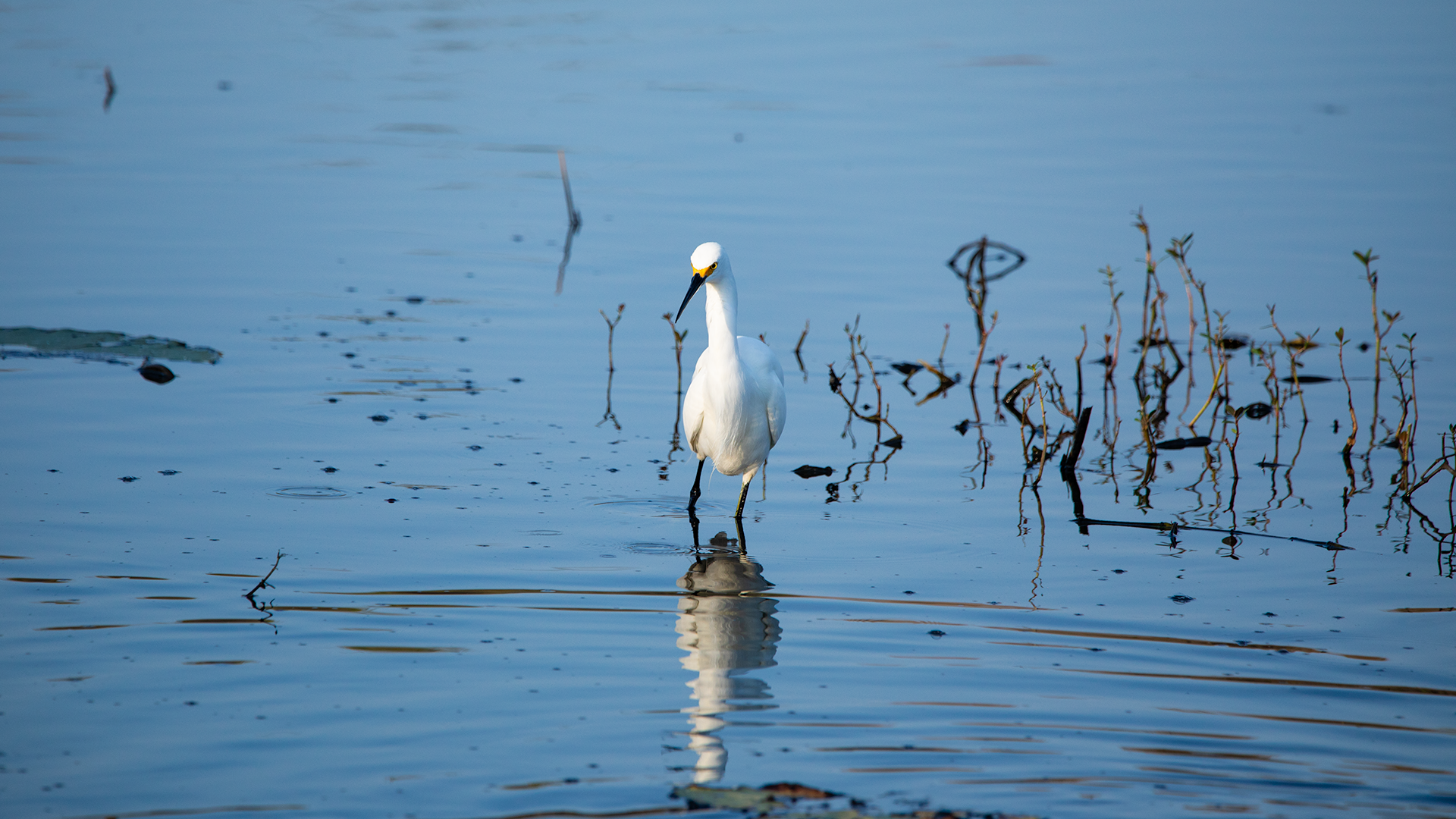
Small white heron with black bill, black legs, and yellow feet. Lores (between eye and bill) are usually bright yellow, but flush reddish in the breeding season. Also note lacy plumes on head, breast, and back during breeding season. Immatures have duller yellow lores and more yellow extending up the legs than adults. Fairly common and widespread in North and South America; often most common along the coast. Found in a variety of wetland habitats, especially shallow marshy pools and mudflats. Forages fairly actively in shallow water, often darting after small fish. Compare with immature Little Blue Heron, which usually has more greenish legs and lores, and note Snowy’s more active feeding style.
USA . Sugar Land . 2025
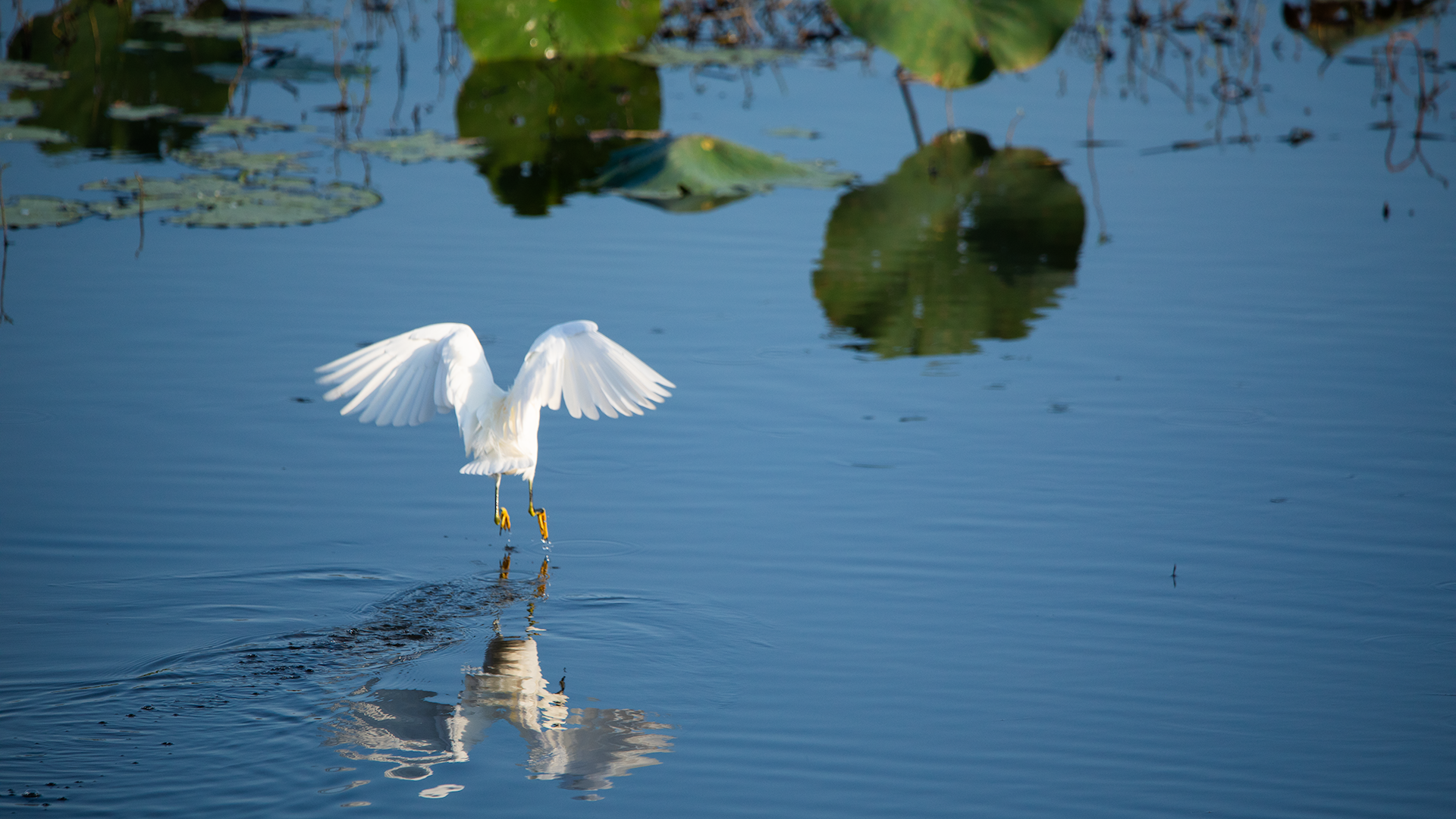
Small white heron with black bill, black legs, and yellow feet. Lores (between eye and bill) are usually bright yellow, but flush reddish in the breeding season. Also note lacy plumes on head, breast, and back during breeding season. Immatures have duller yellow lores and more yellow extending up the legs than adults. Fairly common and widespread in North and South America; often most common along the coast. Found in a variety of wetland habitats, especially shallow marshy pools and mudflats. Forages fairly actively in shallow water, often darting after small fish. Compare with immature Little Blue Heron, which usually has more greenish legs and lores, and note Snowy’s more active feeding style.
USA . Sugar Land . 2025
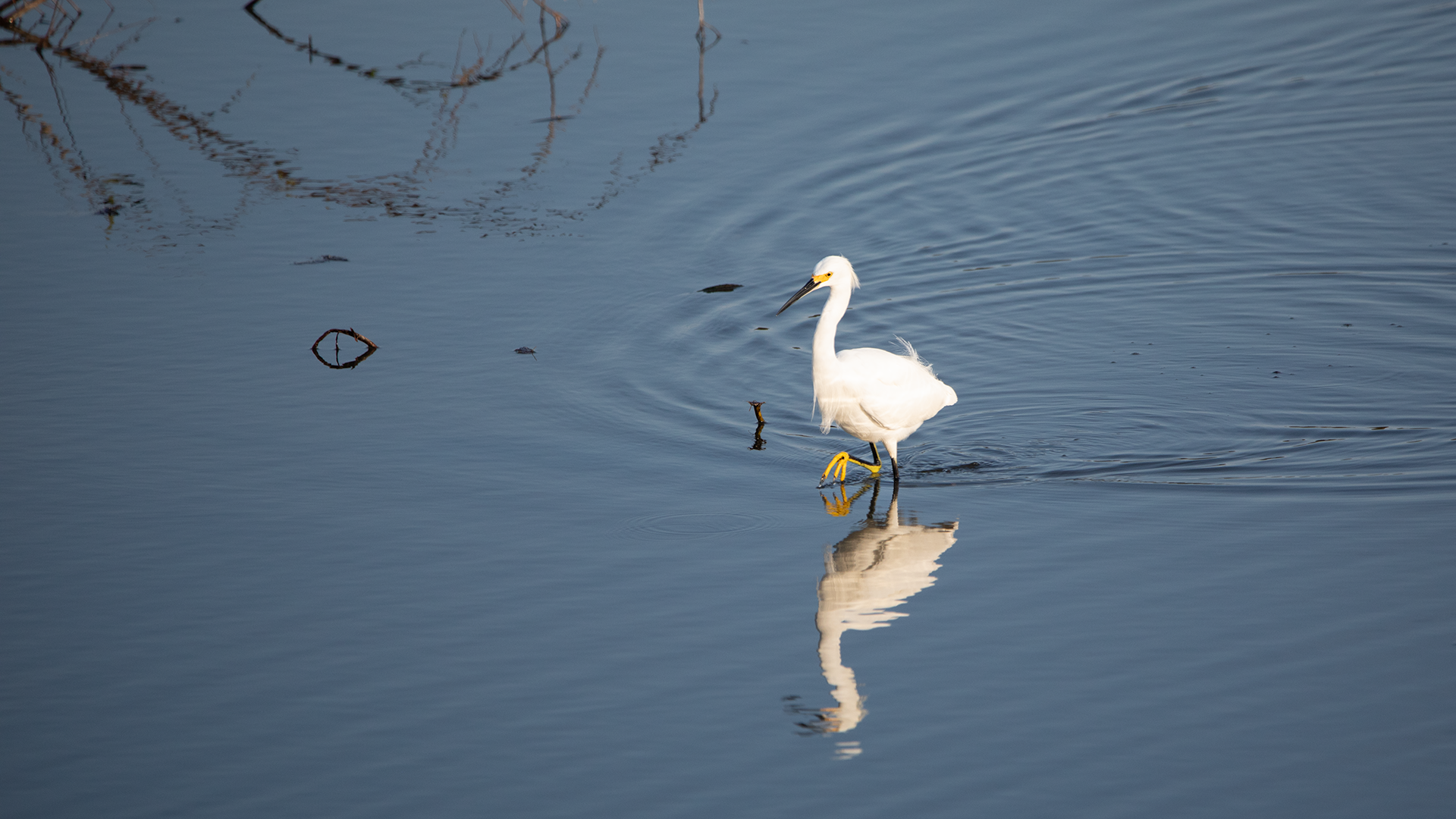
Small white heron with black bill, black legs, and yellow feet. Lores (between eye and bill) are usually bright yellow, but flush reddish in the breeding season. Also note lacy plumes on head, breast, and back during breeding season. Immatures have duller yellow lores and more yellow extending up the legs than adults. Fairly common and widespread in North and South America; often most common along the coast. Found in a variety of wetland habitats, especially shallow marshy pools and mudflats. Forages fairly actively in shallow water, often darting after small fish. Compare with immature Little Blue Heron, which usually has more greenish legs and lores, and note Snowy’s more active feeding style.
USA . Sugar Land . 2025